
Introduction
If you’re a commercial cannabis grower, you understand the constant pressure to increase yields while maintaining high-quality crops. But what if there was a way to boost your yield without having to invest in more space or costly equipment? The answer could lie in tunable spectrum LED lighting. This technology has revolutionized the way we grow cannabis, allowing for better control over light spectrum, which is essential for plant development. In this article, we’ll explore how tunable spectrum lights can optimize cannabis growth, improve yield, and save on energy costs.
1. What is Tunable Spectrum LED Lighting?
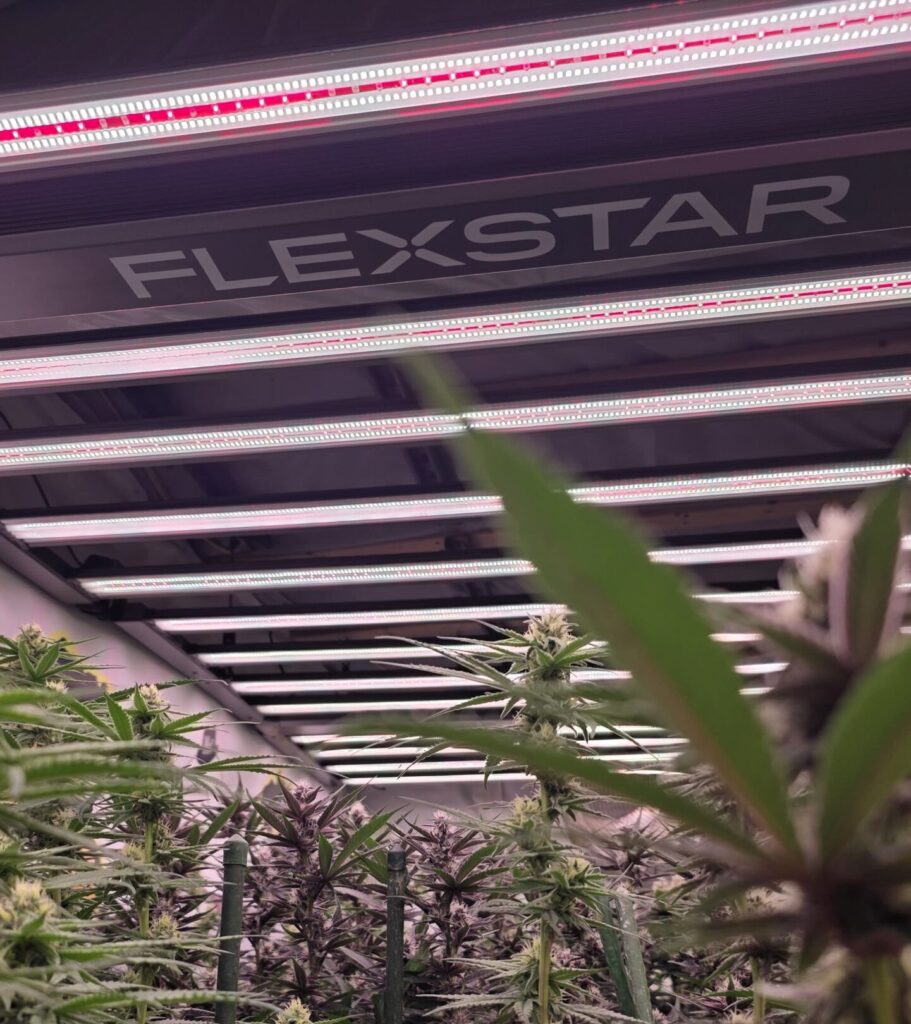
Tunable spectrum LED grow lights are designed to give growers precise control over the light spectrum. Unlike traditional LED grow lights that emit a fixed spectrum of light, tunable spectrum LEDs allow growers to adjust the intensity and balance of different light wavelengths. This customization is critical because plants, including cannabis, respond to light differently at various stages of growth. By modifying the light spectrum, growers can create the optimal environment for every phase of cultivation, from vegetative growth to flowering.
2. Why Spectrum Matters in Cannabis Cultivation
Light is one of the most important factors in plant growth. Plants use light in the photosynthesis process to produce energy. The light spectrum—the range of light wavelengths emitted by grow lights—can significantly affect how well plants grow. Different wavelengths support different aspects of plant development. For example, blue light promotes vegetative growth, while red light is essential for flowering and fruit production.
The Role of Light Spectrum in Photosynthesis
Light spectrum influences several processes in plant development. Blue light is ideal for photosynthesis during the vegetative stage, encouraging strong, healthy leaf growth. On the other hand, red light helps trigger the flowering process, influencing bud development and increasing yield. The addition of far-red light has been shown to increase flowering efficiency by triggering the phytochrome response in plants.
3. Understanding the Spectrum: Key Wavelengths for Cannabis
3.1 Blue Light for Vegetative Growth
Blue light (400–500 nm) is crucial for the early stages of cannabis growth. It promotes compact, bushy growth and encourages the development of strong roots and leaves. It helps plants photosynthesize efficiently, ensuring robust growth during the vegetative phase.
3.2 Red and Far Red Light for Flowering and Yield
Red light (600–700 nm) is essential for flowering. It stimulates flower bud formation, while far-red light (700–800 nm) encourages phytochrome interaction, which further promotes flowering and yield production.
3.3 UV Light and its Role in Plant Health
UV light (100–400 nm) plays an important role in increasing cannabinoid production, including THC and CBD. Exposure to UV light can trigger the plant’s defense mechanisms, leading to the production of higher amounts of these compounds, which is crucial for both potency and flavor.
4. How Tunable Spectrum Enhances Plant Growth
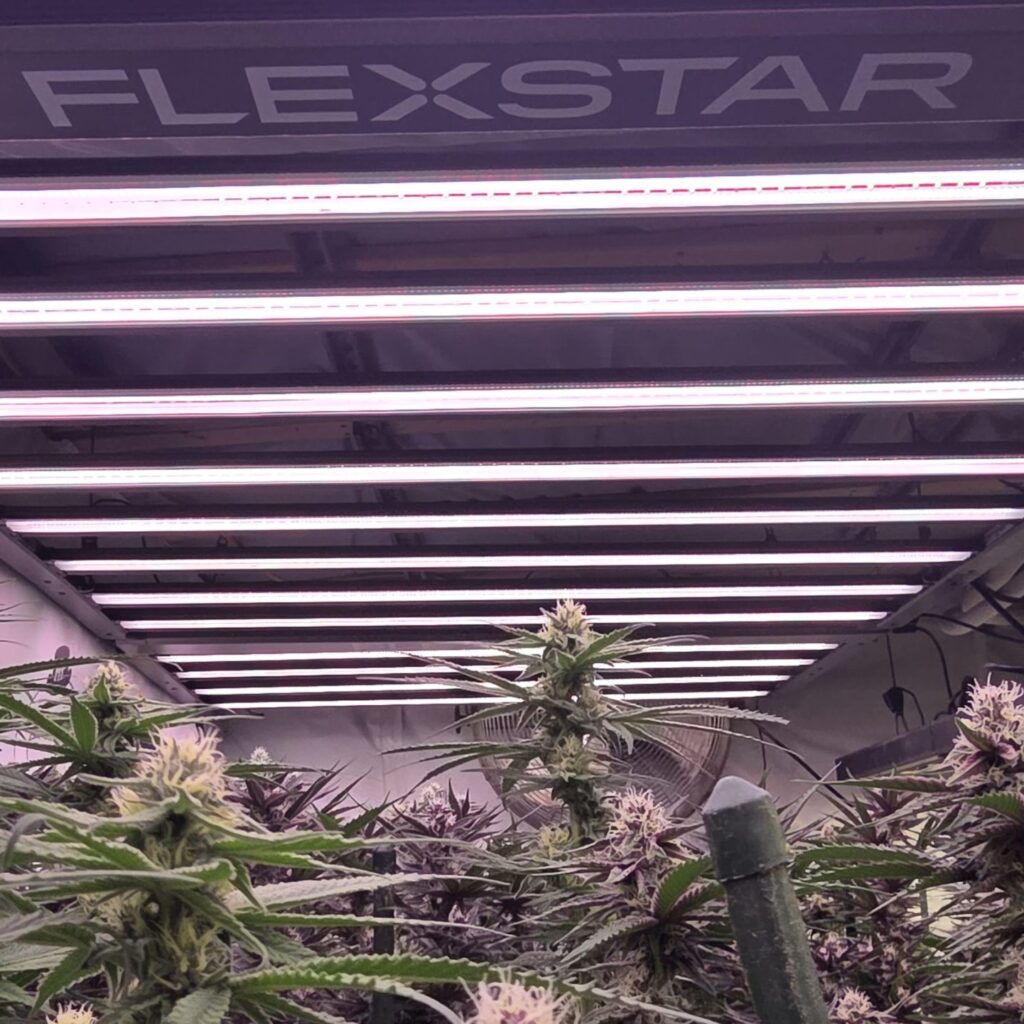
With tunable spectrum LEDs, growers can adjust the light to match the needs of the plants at each growth stage. In the vegetative phase, plants need more blue light to build structure. As they move into the flowering phase, a higher ratio of red and far-red light is necessary to encourage bud formation and enhance flowering efficiency.
4.1 Customization for Specific Plant Strains
One of the major advantages of tunable spectrum lighting is the ability to customize the spectrum for different strains. Certain cannabis varieties may require a different balance of wavelengths to maximize their genetic potential. Growers can experiment with different settings to find what works best for each strain, leading to optimized yields and quality.
4.2 Energy Efficiency and Cost Savings with Tunable Spectrum
While higher-quality lighting may seem like an increased investment, tunable spectrum LEDs are more energy-efficient. By fine-tuning the spectrum to meet the exact needs of the plants, growers can reduce energy consumption while maintaining high light intensity. With a reduced energy footprint, tunable spectrum LEDs help growers save on electricity bills, especially for large-scale operations.
5. How Tunable Spectrum Can Improve Quality of Cannabis
In addition to improving yield, tunable spectrum lighting can also enhance the quality of the cannabis. By adjusting the light spectrum, growers can influence:
-
THC and CBD levels: The right balance of UV and red light can increase the concentration of cannabinoids.
-
Terpene profiles: Light adjustments also affect the production of terpenes, which are responsible for the cannabis’s aroma and flavor.
6. Flexibility and Control: Advantages for Commercial Growers
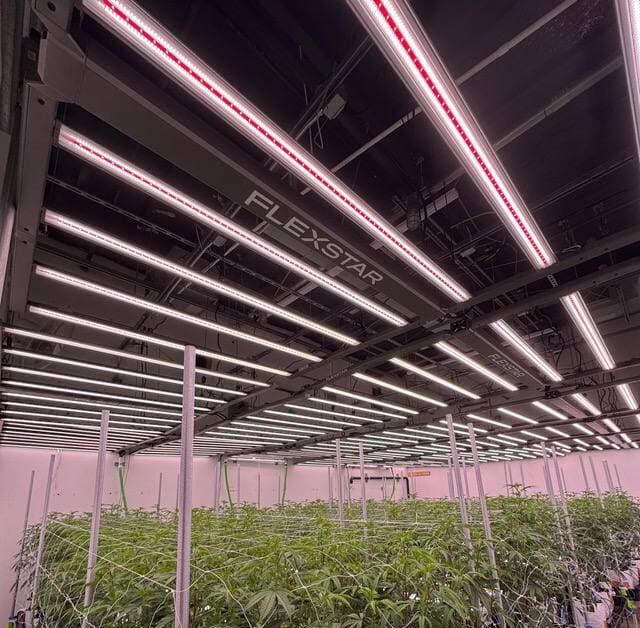
Tunable spectrum LEDs offer greater flexibility and control, which is crucial for commercial growers. These lights can be adjusted to accommodate various room sizes, plant densities, and environmental conditions. By tailoring the light to each specific cultivation scenario, growers can ensure optimal performance across different setups.
7. Case Studies: Successful Uses of Tunable Spectrum LED Lighting
Many commercial growers have already experienced the benefits of tunable spectrum lighting. For example, a Colorado-based grower reported a 30% increase in yield after switching to Flexstar’s Redline SpecTune. The ability to adjust light levels based on plant needs allowed the grower to optimize their crop’s growth, resulting in higher potency and improved harvest quality.
8. Setting Up Tunable Spectrum LED Lights in Your Grow Room
To get the most out of your tunable spectrum lights, proper installation is key. Follow these steps:
-
Place lights at an optimal height from the canopy, ensuring proper coverage.
-
Adjust the light spectrum for the vegetative or flowering phase, based on plant needs.
-
Monitor plant response: Keep an eye on plant growth and adjust the light spectrum as needed.
9. Tips for Adjusting Spectrum During Different Phases of Growth
-
Vegetative Stage: Set lights to a higher blue light percentage (around 70% blue, 30% red) to encourage compact growth.
-
Flowering Stage: Increase the red and far-red light (about 60-70% red, 10-20% far red) to stimulate bud production.
10. Common Mistakes to Avoid When Using Tunable Spectrum Lights
While tunable spectrum lights are a powerful tool, they come with a few challenges:
-
Over-adjusting the spectrum: It’s essential not to overdo it with red or far-red light, as this can lead to stretched plants and weak buds.
-
Incorrect placement: Improper distance between the lights and canopy can lead to uneven light distribution.
11. The Future of Grow Lights: Innovations in Tunable Spectrum Technology
As LED technology continues to advance, future innovations in tunable spectrum lighting promise even more precise control over plant growth. New features like automatic light adjustments based on plant response and integrated sensors that monitor environmental conditions are on the horizon. These advancements will allow growers to further optimize their setups, resulting in higher yields and greater sustainability.
Conclusion
Tunable spectrum LED grow lights offer commercial cannabis growers a significant edge in maximizing both yield and quality. With the ability to adjust light to each growth stage, save on energy costs, and improve potency and flavor, it’s no wonder that this technology is quickly becoming the go-to choice for forward-thinking growers. As the industry continues to evolve, tunable spectrum lighting will remain a key player in the pursuit of optimal cannabis cultivation.